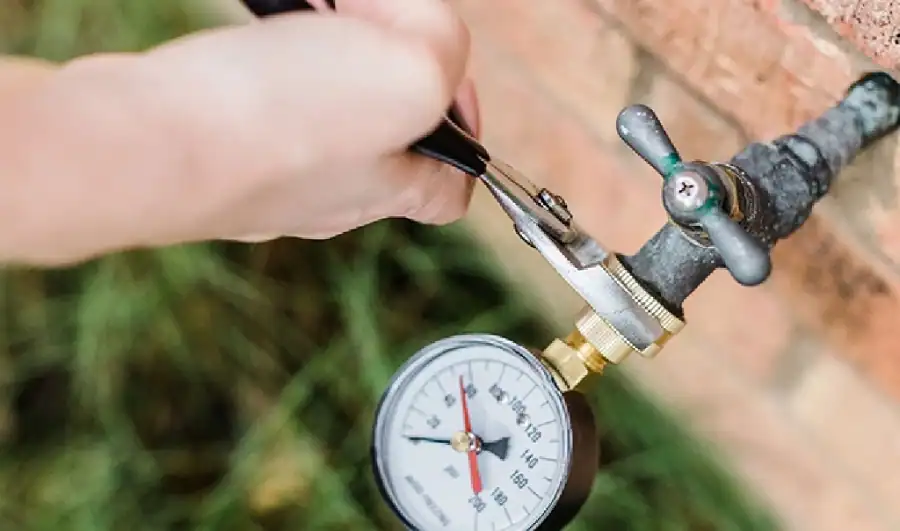
Consistent water pressure is something every homeowner expects, but when it drops unexpectedly, it can turn daily routines into frustrating chores. If your shower is losing power or your kitchen faucet is struggling to fill a glass, water pressure problems are more than just a minor annoyance. In many cases, they can signal deeper issues within your plumbing system that require prompt attention.
At LaCassa Plumbing, we’ve helped countless homeowners in Westmont, IL identify and fix water pressure problems quickly and effectively. In this guide, we’ll walk you through the common causes of low water pressure, how to troubleshoot it, and when it’s time to call in a licensed plumber.
Common Signs of Water Pressure Problems
Water pressure issues often start subtly but can quickly become more noticeable. Recognizing the early signs can help prevent further damage and inconvenience. Here are some of the most common indicators that your home might be experiencing water pressure problems:
Weak Flow from Faucets or Showerheads
If water trickles instead of flowing steadily, especially on higher floors, it’s a key sign of low water pressure.
Toilet Tanks Filling Slowly
A sluggish refill after flushing may mean your plumbing isn’t receiving adequate pressure.
Inconsistent Water Temperature
Sudden changes in water temperature, especially when using multiple fixtures, may signal pressure imbalance.
Unusual Sounds in the Pipes
Banging, whistling, or gurgling noises may indicate air or pressure inconsistencies in your plumbing.
Visible Leaks or Damp Spots
Small leaks can reduce pressure and should be checked right away to avoid further water damage.
How to Fix Water Pressure
Fixing water pressure problems at home starts with identifying the root cause. Begin by checking whether the issue is isolated to one fixture or affecting the entire house. If it’s just one faucet or showerhead, mineral buildup may be restricting flow—cleaning or replacing the aerator can often solve the problem. For whole-home low pressure, inspect the main shut-off valve and ensure it’s fully open.
A partially closed valve can restrict water flow throughout your plumbing system. If your home has a pressure regulator, it may need adjusting or replacing; this component helps control incoming water pressure from the main supply. Leaks in the system can also reduce pressure, so walk around your home to look for signs of water damage, wet spots, or hissing sounds in the walls.
In older homes, corroded pipes or outdated plumbing may be the culprit and could require repiping. For homes with well systems, check the pressure tank and pump settings. If you’re unsure where the problem lies, a licensed plumber can diagnose and fix the water pressure issue efficiently, often using specialized tools like pressure gauges and camera inspections.
How to Fix Water Pressure Problems
Fixing water pressure problems at home starts with identifying the underlying cause. Begin by checking whether the issue is isolated to one fixture or affects the entire house. If it’s localized, the fix may be as simple as cleaning a clogged aerator or showerhead.
If your whole home is affected, inspect the main shut-off valve to ensure it’s fully open, or look for signs of leaks, corroded pipes, or a faulty pressure regulator. For persistent or unclear issues, it’s best to call a licensed plumber. Expert diagnostics and tailored solutions such as fixture repair and leak detection to repiping can ensure your home’s water pressure is restored quickly and safely.
Our Process for Fixing Low Water Pressure Problems
We take a step-by-step approach to diagnosing and resolving low water pressure problems in your home. First, we perform a thorough inspection of your plumbing system—checking for leaks, corroded pipes, faulty fixtures, and pressure regulator issues.
We also test your water pressure at different points to isolate the problem area. Depending on the diagnosis, our licensed plumbers may clean aerators, adjust or replace regulators, clear blockages, or recommend repiping if corrosion is severe.
Our process is always transparent, efficient, and tailored to your home’s specific needs, ensuring long-term pressure and performance.
Preventing Future Water Pressure Problems
Maintaining stable water pressure over time starts with proactive plumbing care. Scheduling regular inspections allows plumbers to identify early signs of wear, corrosion, or leaks before they develop into bigger issues. Installing a pressure regulator can also help balance your home’s water flow and protect fixtures from high-pressure damage.
For homes with hard water, using a water softener helps reduce mineral buildup in pipes, which is a common cause of low pressure. Routine drain cleaning, especially through hydro jetting, keeps pipes clear of debris that can restrict flow. And if your plumbing is aging or showing frequent issues, investing in professional repiping can provide a long-term solution to recurring water pressure problems.
By staying ahead with preventative maintenance, you’ll enjoy consistent water performance and fewer costly repairs.
When to Call a Professional Plumber
If you’ve tried basic troubleshooting and your water pressure problem persists, it may be time to call in a licensed plumber. Persistent low water pressure throughout the home could signal serious underlying issues such as pipe corrosion, slab leaks, or a failing pressure regulator—all of which require professional tools and expertise to properly diagnose and fix.
Unexplained spikes in water bills, water stains, or damp spots could also indicate hidden leaks affecting your system’s pressure. If you’re dealing with older galvanized pipes or frequent clogs, repiping may be necessary to restore consistent pressure.
Likewise, if pressure issues arise after recent plumbing work or new appliance installations, a professional can inspect and recalibrate the system to avoid long-term damage. Ultimately, expert help ensures your home stays safe, efficient, and up to code.
Contact Us
If you’re experiencing water pressure problems at home, don’t wait for the issue to get worse. Contact LaCassa Plumbing today for professional diagnostics and reliable solutions. If you need leak detection, repiping, or emergency plumbing repair, our experienced team is ready to help.
Call us now or fill out our online form to schedule your service!
Frequently Asked Questions (FAQs) on Water Pressure Problems
How do I know if I have water pressure problems at home?
If your faucets run weakly, your shower isn’t powerful, or appliances fill slowly, you likely have water pressure problems that need to be checked.
What causes low water pressure in a house?
Common causes include pipe corrosion, clogs, faulty pressure regulators, partially closed shutoff valves, or municipal supply issues.
How do I fix water pressure in a single faucet?
Start by cleaning the aerator or replacing it. If that doesn’t help, there may be a clog or leak in the supply line that requires professional help.
Can a water softener affect water pressure?
Yes, if your water softener is clogged or malfunctioning, it can restrict flow and lead to low water pressure problems throughout the house.
How can I fix low water pressure in my shower?
Check for a clogged showerhead, partially closed valve, or worn-out cartridge. If those are fine, the problem may be deeper in your plumbing system.
What’s the fastest way to increase water pressure at home?
Check your main shutoff valve and pressure regulator. Sometimes, a quick adjustment can fix water pressure. Otherwise, professional inspection may be needed.
Do old pipes cause water pressure problems?
Yes. Corroded or deteriorated pipes can narrow the flow path, severely limiting pressure. Repiping may be the best long-term fix for water pressure issues.
Can hydro jetting help with low water pressure?
Hydro jetting clears clogs and buildup inside your pipes, which can restore normal pressure if buildup was the cause of low water pressure.
Why does my water pressure drop suddenly?
Sudden drops may indicate a burst pipe, valve issue, or municipal supply disruption. Contact a plumber right away to avoid serious damage.
Is professional plumbing service required to fix water pressure?
Yes, in most cases. Licensed plumbers like LaCassa Plumbing can accurately diagnose and fix water pressure issues using safe, long-term solutions.
Are You Ready to Get Started? Contact Your Local Plumber Today

Get Fast, Reliable Plumbing Service
Fill Out the Form or Call Us Now
"*" indicates required fields