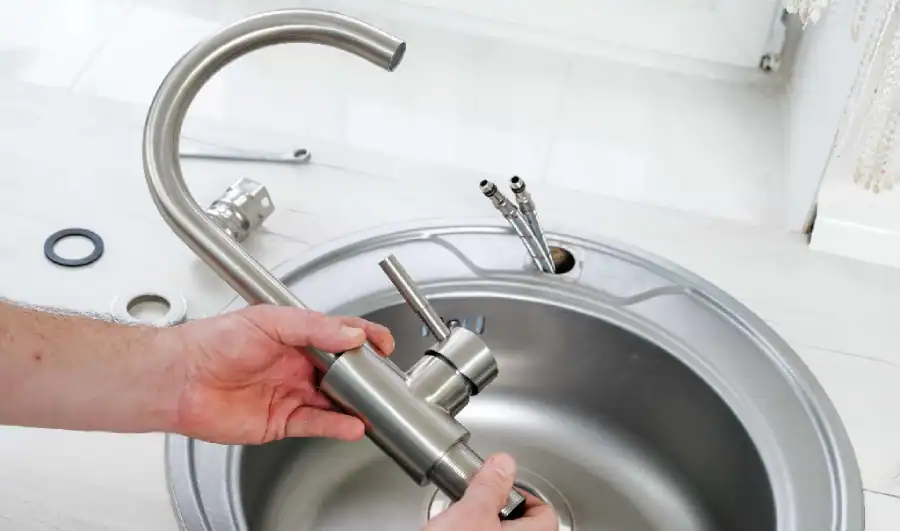
The Unsung Hero of Your Faucet
If you’ve ever noticed a small mesh screen on the tip of your sink faucet, that’s the faucet aerator. It may be tiny, but it plays a big role in how your water flows, how much water you use, and even how clean your water feels. Without it, your faucet would blast water straight down, wasting gallons and creating a messy splash.
Like any other plumbing component, aerators need regular attention. In fact, you should clean them every six months and replace them every 6–12 months depending on water quality. Ignoring them can lead to low water pressure, clogged screens, or even strange-tasting water.
At LaCassa Plumbing, we help Naperville and DuPage County homeowners with everything from simple aerator swaps to whole-home water solutions. Let’s dive into what faucet aerators do, how often to replace them, and why pairing them with the whole home water filter benefits gives you the best results.
What Exactly Is a Faucet Aerator?
A faucet aerator looks and feels like a small mesh screen disk that screws onto the end of your faucet. Inside, it has a screen, housing, and sometimes a flow restrictor. Its main jobs are:
- Regulating water pressure to prevent splashing.
- Mixing air with water for a smoother, softer stream.
- Reducing water use (usually 1.8 to 2.2 gallons per minute).
- Improving water taste by introducing oxygen into the stream.
Aerators became standard in American homes after World War II, thanks to inventor Elie Aghnides, who realized that water aeration, like a waterfall, made water taste fresher and flow better. Today, almost every kitchen and bathroom faucet comes with an aerator built in.
Benefits of Faucet Aerators
Why are aerators worth the effort of cleaning and replacing? Here are the biggest advantages:
- Saves water by limiting flow without sacrificing pressure.
- Reduces splashing, keeping your counters dry.
- Activates soap faster, so hand washing and dishwashing are more efficient.
- Improves taste with oxygen-rich water.
- Creates a wider, softer stream, making everyday tasks easier.
In short, aerators give you more control, better water use, and a cleaner experience at the sink.
Different Types of Faucet Aerators
Not all aerators are the same. Depending on your needs, you might use:
- Aerated stream: The most common type, producing a bubbly, white stream perfect for homes.
- Laminar stream: A straight, splash-free flow, common in hospitals or high-flow faucets.
- Multiple laminar: Creates a shower-like spray, often used in low-flow faucets for better coverage.
They also come in different sizes, regular (quarter-sized), junior (nickel-sized), and Tom Thumb (dime-sized). Thread type matters too: faucets with exterior threads use male aerators, while interior-threaded faucets need female aerators.
How Often to Replace Faucet Aerators
So, how often should you swap out your aerator?
- Every 6 months: Clean the aerator with vinegar or CLR to dissolve mineral buildup.
- Every 6–12 months: Replace the aerator entirely to restore proper flow.
- Immediately: If your water flow is weak, spraying sideways, or the aerator cannot be unclogged.
Areas with hard water (like much of DuPage County) may require more frequent replacements.
How to Clean a Faucet Aerator
Cleaning is simple and takes less than 30 minutes:
- Close the sink stopper (to avoid losing small parts).
- Unscrew the aerator and place it on a clean towel.
- Disassemble if possible.
- Soak in vinegar (or CLR) for an hour to remove deposits.
- Rinse with clean water.
- Reassemble and screw it back on.
- Run the faucet to test for leaks or improved flow.
How to Replace a Faucet Aerator
If cleaning doesn’t fix the issue, replacement is the best option. Aerators are inexpensive (often less than $10). Here’s how to do it:
- Clean the faucet tip with a towel.
- Check assembly—make sure the washer is in place.
- Screw on the new aerator clockwise until snug.
- Tighten gently with pliers (use a towel to protect the finish).
- Test the faucet at full blast. If water leaks around the sides, tighten slightly more.
Where Not to Use a Faucet Aerator
Aerators aren’t needed everywhere. In fact, they can be counterproductive on:
- Garden hoses
- Exterior faucets
- Showers or bathtubs
- Clothes washer hookups
In these cases, maximum water flow is more important than aeration.
The Bigger Picture: Faucet Aerators & Whole Home Water Filters
While faucet aerators keep your water stream smooth and conserve water, they don’t solve deeper water issues like chlorine, sediment, or hardness. That’s where whole home water filters come in.
Whole Home Water Filter Benefits
- Cleaner water at every tap, not just the kitchen sink.
- Extended life of faucet aerators since sediment and minerals are filtered before reaching them.
- Protection for appliances like dishwashers and water heaters.
- Healthier skin and hair with reduced chlorine and chemicals.
- Improved taste and smell of drinking water.
When combined, aerator maintenance + whole home water filter benefits mean fewer clogs, longer-lasting fixtures, and healthier water throughout your home.
FAQs
Is a faucet aerator necessary? Not absolutely, but it’s highly recommended. Aerators conserve water, improve flow, and reduce splashing, making daily tasks easier and more efficient.
How do I know if my aerator is bad? Signs include low water pressure, water spraying sideways, or the stream losing its “bubbly” feel.
Can I remove my aerator? Yes, most can be unscrewed by hand. Use pliers with a towel for extra grip if it’s stuck.
How often should aerators be replaced? Every 6–12 months, depending on water quality and usage. Clean them twice a year to extend their lifespan.
Small Device, Big Impact
Faucet aerators may be small, but they play a huge role in water efficiency and quality. By cleaning or replacing them regularly, you’ll avoid frustrating clogs and uneven water flow. And when you combine that with the whole home water filter benefits, you’ll get the best of both worlds: efficient fixtures and healthier, cleaner water throughout your home.
Call LaCassa Plumbing today for faucet aerator replacement, cleaning, or to learn more about installing a whole home water filter system.
Are You Ready to Get Started? Contact Your Local Plumber Today


Get Fast, Reliable Plumbing Service
Fill Out the Form or Call Us Now
"*" indicates required fields