Toilet & Faucet Install
Having new toilets and faucets installed in your home is not the most exciting thing in the world, but they are important fixtures when it comes to keeping your plumbing system running smoothly. At LaCassa Plumbing, we provide high-quality toilet and faucet installation that will keep your plumbing system in good working order and make your home look clean, organized, and stylish. Whether it’s a new country-style faucet in your kitchen, a new toilet as part of a bathroom renovation, or new toilets and faucets to replace ones that have seen better days, we have the experience and the expertise to get the job done right.
If you’re looking for expert toilet and faucet installation in Westmont, IL, or nearby communities, get in touch with us today for service you can count on.

Over 20 Years of Plumbing Experience

Do You Need Faucet Installation?
Every home has faucets in a few different areas, and it’s important that they are in good working order to prevent costly water damage, mold growth, and other issues. Sometimes, homeowners in Westmont want new faucets purely for aesthetic reasons, but most of the time it’s because the current faucets aren’t working the way they should. Some of the signs telling you that you need a new faucet installation in the bathroom, kitchen, or elsewhere in the house, include:
Leaking faucets no matter how many times you try to fix it
Rust has formed on the faucet
Water coming out of the bath faucet and showerhead at the same time
Visible mineral deposits on the faucet
Mold or mildew growth around the faucets
Are You Ready to Get Started? Contact Your Local Plumber Today

Signs You Need a New Toilet
There’s no question that household toilets provide a valuable service and need to be in good condition. The last thing you want is for your toilets to malfunction to the point that there are messy spills or potentially dangerous sewer gases in your bathrooms. Some of the signs that indicate it may be time for a new toilet include:
Constantly clogged toilet
Cracks in the base of the toilet
Puddles around the base of the toilet
The need for frequent repairs
A wobbly toilet
Built-up mineral deposits
If you notice any of these signs, or if you just feel it’s time for some professional attention, give us a call so we can come out and assess the situation and provide you with a quick solution.


Key Steps in Toilet Installation:
Remove the old toilet: Shut off the water supply, flush to empty the tank, and remove any remaining water. Then unbolt the old toilet.
Inspect the flange: Ensure the flange is in good condition; if it’s cracked or corroded, replace it.
Install the wax ring: Place the wax ring on the flange to create a watertight seal.
Position the new toilet: Lower the toilet onto the flange, aligning the bolts, and secure it.
Connect the water supply: Attach the water supply line, tighten the bolts, and check for leaks.
A professional plumber can streamline this process, ensuring proper installation and avoiding common issues like uneven fitting or slow tank refills.

Get Fast, Reliable Plumbing Service
Fill Out the Form or Call Us Now
"*" indicates required fields
Bathroom Faucet Installation: A Quick Upgrade with Big Benefits
Bathroom faucets see daily use, and over time, they may begin to drip, leak, or show signs of wear. Installing a new faucet is a relatively simple way to refresh your bathroom’s look and functionality.
There are numerous faucet styles to choose from, including single-handle, widespread, and wall-mounted models. When selecting a faucet, it’s important to consider your existing plumbing and sink configuration to avoid complications during installation.
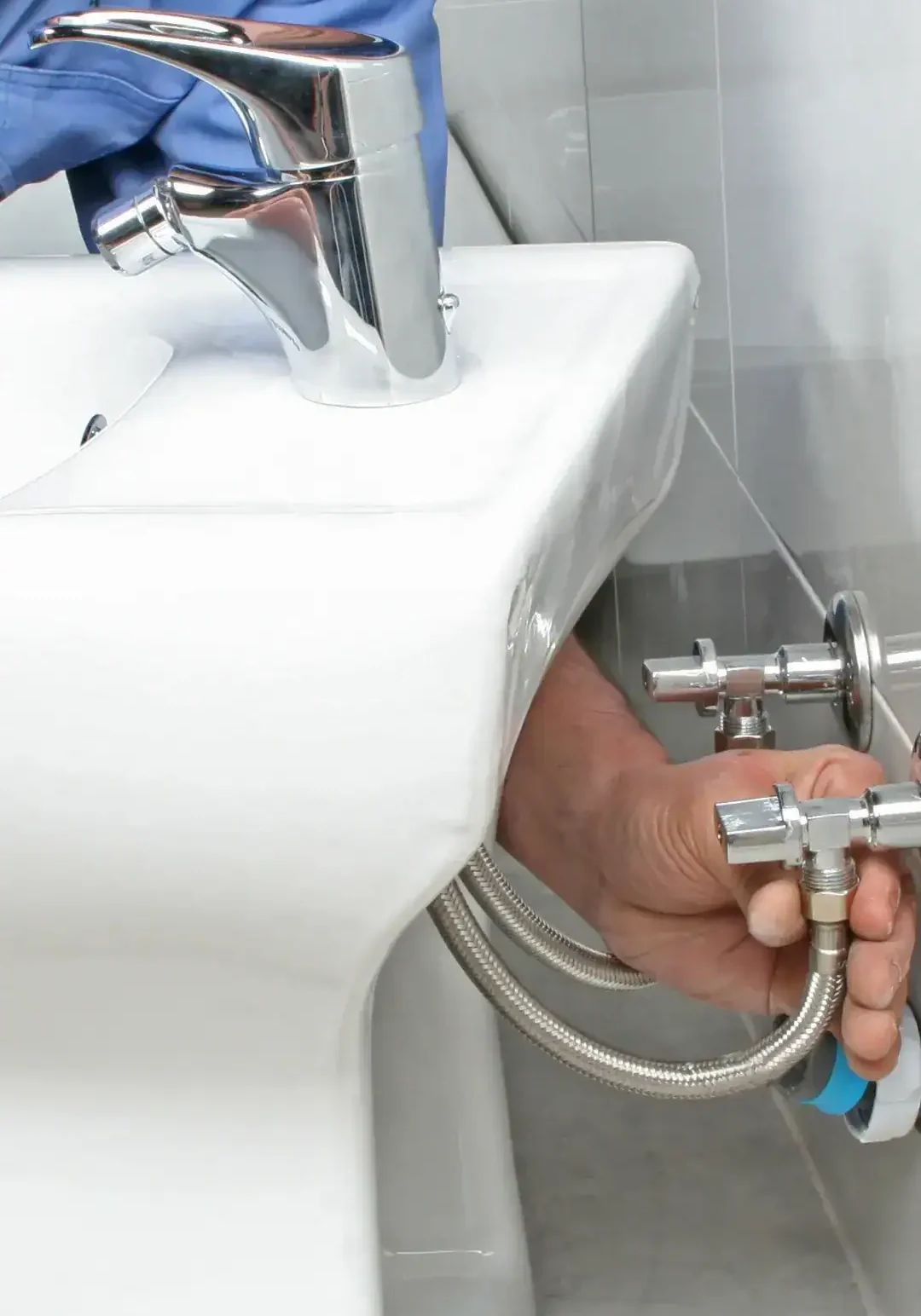
Steps in Bathroom Faucet Installation:
Turn off the water supply: Before starting, turn off both the hot and cold water lines.
Remove the old faucet: Use a basin wrench to disconnect the supply lines and remove the mounting nuts under the sink
Install the new faucet: Place the new faucet through the sinkholes and secure it with mounting hardware.
Connect the water lines: Reattach the water supply lines and check for leaks.
Even though installing a faucet may seem straightforward, working in tight spaces can be tricky. Professional plumbers have the tools and experience to complete the installation quickly and correctly.
Kitchen Sink Faucet Installation: Boost Your Kitchen’s Efficiency
A kitchen faucet is one of the most used fixtures in any home. Whether you’re upgrading to a pull-down sprayer or adding a touchless model, a new kitchen faucet can enhance both the appearance and functionality of your kitchen.
Steps to Install a Kitchen Sink Faucet:
Choose the right faucet: Ensure your new faucet matches the hole configuration of your sink. Many sinks have one to four holes, so selecting the correct faucet is key.
Turn off the water: Just like bathroom faucet installation, always turn off the water before starting.
Remove the old faucet: Loosen the nuts under the sink using a basin wrench, and carefully lift the old faucet out.
Install the new faucet: Place the new faucet into the holes, secure it from underneath, and connect the water supply lines.
Test for leaks: After installation, turn the water back on and check for leaks at every connection point.
Installing a kitchen faucet can be more complicated than a bathroom fixture due to the additional water lines and features, making professional installation a smart choice.
DIY Installation: What You Should Know Before Getting Started
Installing a faucet or toilet yourself can be a satisfying project for a DIY enthusiast, but there are several things to keep in mind to avoid costly mistakes.
Pros of DIY Installation:
Cost savings: Doing it yourself can save you the cost of labor.
Immediate gratification: There’s no need to wait for an appointment; you can start whenever you’re ready.
Cons of DIY Installation:
Risk of leaks: Improper sealing or installation can lead to water leaks that may go unnoticed until they cause damage.
Time-consuming: If you’re unfamiliar with plumbing tools or techniques, the installation can take much longer than expected.
Before starting any DIY installation, make sure you have all the necessary tools and parts. For a faucet installation, this typically includes a basin wrench, Teflon tape, and plumber’s putty. If you’re installing a toilet, you’ll need a new wax ring, a flange, and a wrench set.
Why Work With Our Westmont Plumbers?
Our slogan ‘Overflowing with Exceptional Service’ means that we will always go the extra mile to provide you with the best plumbing services and memorable customer service. We want you to feel just like a member of the family, so you can feel confident that we have your best interests at heart. Here’s what you get when you work with us:

Courteous plumbers that were masks and booties into your home

A+ rating with the Better Business Bureau

Upfront pricing with no hidden fees on your bill

Superior brand names such as Ion Metropolitan, Bradford White and Navien