Water Heater Replacement
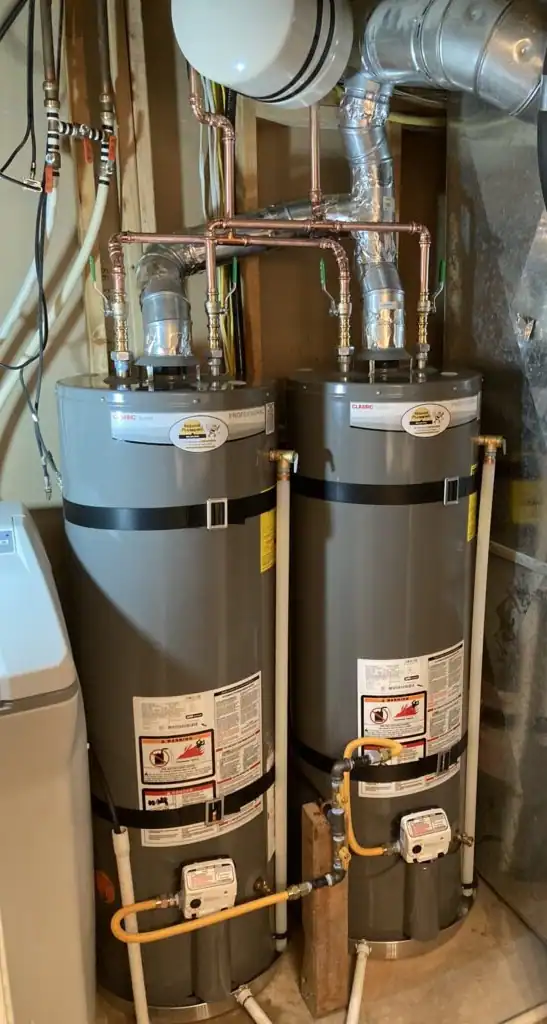
You’re about to enjoy a soothing, warm shower after a long day. You eagerly turn on the faucet, only to be met with the shock of frigid water. Ah, the water heater woes – we’ve all been there. Good thing, LaCassa Plumbing got your back. We are the go-to experts for water heater replacement in Westmont, IL.

Over 20 Years of Plumbing Experience

Solving Your Daily Heating Problems
Cold Showers and Frustration: One of the most evident signs that your water heater needs replacing is a sudden preference for cold showers. It’s not just uncomfortable; it can also be infuriating. Our water heater replacement services guarantee that you’ll enjoy the luxury of hot water whenever you desire.
Are You Ready to Get Started? Contact Your Local Plumber Today

Our Water Heater Replacement Process
Comprehensive Evaluation: Our process commences with a thorough inspection of your existing water heater. We diagnose the problems and develop a detailed plan for the replacement, ensuring that your new system will efficiently meet your hot water needs.
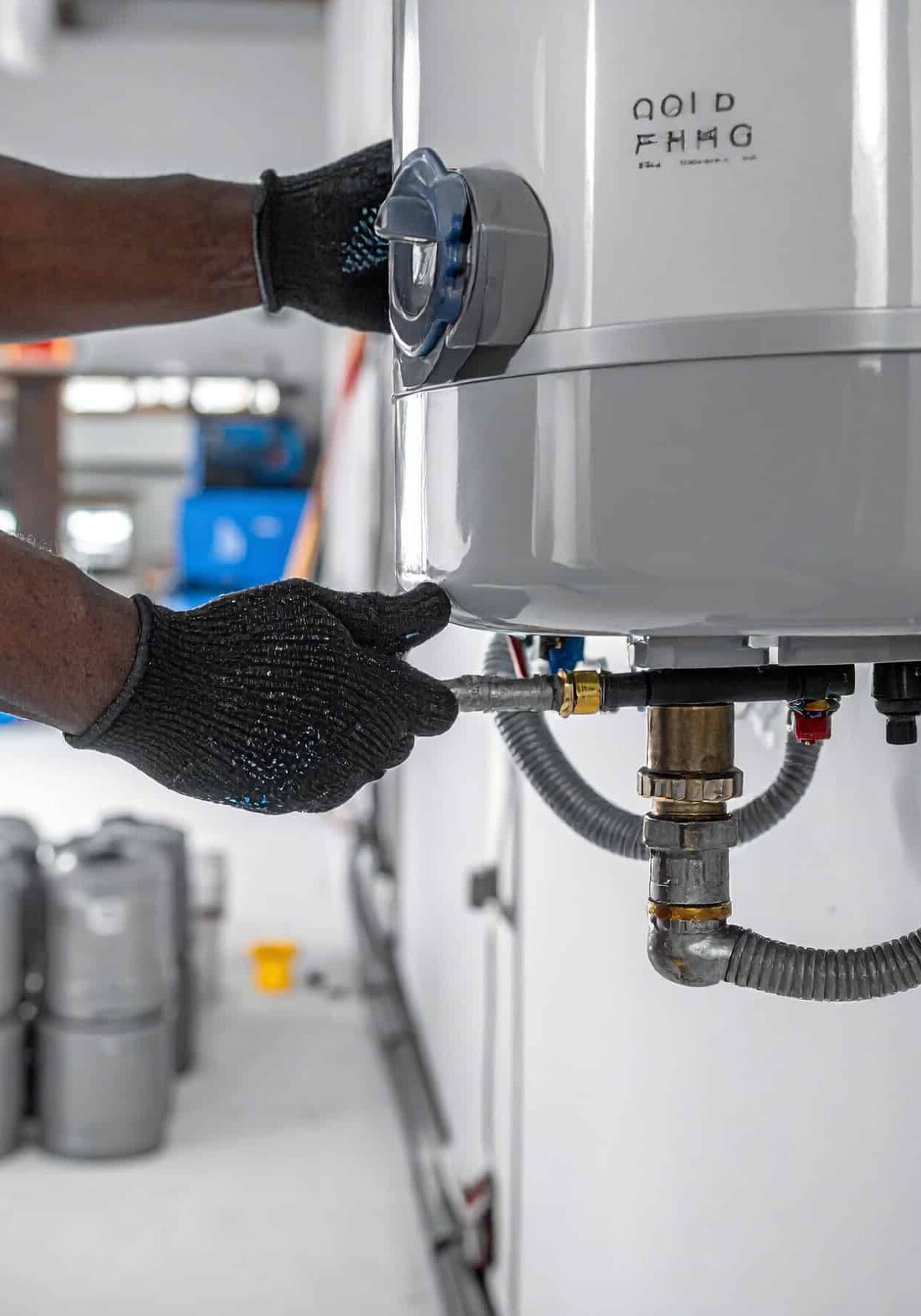
Expert Installation: Our seasoned technicians execute the replacement with precision, using high-quality components and ensuring a seamless installation. We take pride in delivering long-lasting results that grant you consistent hot water.
Emergency Replacements: Water heater breakdowns can be highly inconvenient and can strike at any time. That’s why we offer 24/7 emergency replacement services, ensuring you have access to hot water even in the middle of the night.


Get Fast, Reliable Plumbing Service
Fill Out the Form or Call Us Now
"*" indicates required fields
Westmont’s Favorite Water Heater Experts
Understanding Local Needs: Westmont, IL, has unique requirements when it comes to water heaters. Our local experts are well-acquainted with the specific plumbing challenges of the area, guaranteeing quick and effective solutions.
Swift Response Times: Local expertise means we can respond rapidly to your water heater emergencies. We grasp the urgency of the situation and strive to restore your hot water as swiftly as possible.
Advantages of Professional Replacement Service
Increased Efficiency: Our replacements don’t just restore hot water; they also improve the efficiency of your system, leading to reduced energy consumption and subsequently lower utility bills.
Longevity: Regular maintenance and timely replacements can significantly extend the life of your water heater. With our water heater replacement services, you’ll enjoy reliable hot water for many years to come.
Eco-Friendly Solutions: An efficient water heater is not only budget-friendly but also environmentally friendly. By reducing energy consumption, you’ll contribute to a greener planet while enjoying a hot and comfortable home.
Bid farewell to cold showers and water heater-related woes. When you’re left with an inefficient or malfunctioning unit, remember that LaCassa Plumbing is just a call away. Contact us today for top-tier water heater replacement services and experience the difference for yourself.
DIY Water Heater Replacement
Thinking about replacing your water heater yourself? A DIY water heater replacement can be a rewarding project, but it requires careful planning, the right tools, and attention to detail. Before you begin, check out these essential steps and considerations to help guide you.
1. Assess Whether DIY is Right for You
✔ Water heater replacement can be complex and involve electrical and plumbing connections.
✔ Make sure you’re comfortable with handling tools, have basic plumbing knowledge, and understand local building codes.
2. Turn Off Power and Water Supplies
✔ Electric Water Heater: Turn off the power at the circuit breaker.
✔ Gas Water Heater: Set the thermostat to “pilot” and turn off the gas valve.
✔ Shut off the main water supply to the heater.
3. Drain the Old Water Heater
✔ Connect a garden hose to the drain valve and direct the water to a safe drainage area.
✔ Open a hot water faucet in your home to speed up the drainage process.
4. Disconnect the Old Water Heater
✔ Electric: Disconnect the power cables.
✔ Gas: Detach the gas line with a wrench and cap the line if necessary.
✔ Use a pipe wrench to disconnect the water pipes at the top of the unit.
5. Position the New Water Heater
✔ Carefully place the new water heater in the same location as the old unit.
✔ Ensure it is level and positioned according to local codes and manufacturer’s guidelines.
6. Reconnect Water and Power/Gas Lines
✔ Attach the water lines to the new unit using flex connectors.
✔ Electric: Reconnect the power cables securely.
✔ Gas: Attach the gas line and ensure there are no leaks (use a soap and water solution to test for leaks).
7. Fill the Tank and Test
✔ Once filled, turn on the power or gas supply and set the thermostat to the desired temperature.
✔ Open the main water supply and let the tank fill.
✔ Check for any leaks around the fittings.