Slab Leak Repair
A slab leak is one of the worst possible scenarios when it comes to hidden water leaks on your property. When there is a leak in the pipes underneath the concrete slab of your house this is known as a slab leak. As you can imagine, this type of leak has the potential to cause a tremendous amount of water damage, not to mention possibly affecting the foundation of your home.

Over 20 Years of Plumbing Experience

Dependable Slab Leak Repair
At LaCassa Plumbing, we offer professional slab leak repair in the Westmont, IL area that will help minimize the damage and get your home back to normal as soon as possible. We will use all the latest tools and technology to pinpoint the source of your slab leak and make the necessary repairs so you can get back to your normal routine as soon as possible.
If you need reliable slab leak repair in Westmont, IL, or the surrounding areas, get in touch with us today for expert service you can trust.
Are You Ready to Get Started? Contact Your Local Plumber Today

Signs of a Slab Leak
Slab leaks can take time to develop and you may not notice any signs of trouble for quite a long time. For this reason, it’s important to get in touch with us as soon as you notice any signs that you may have a slab leak because you may already have significant water damage that needs to be repaired. Here are some of the signs you should watch for:
Mold growth in your basement
Damp, swampy ground in your backyard
Unusual cold spots on your basement floor
The sound of running water behind your basement walls or under the basement floor
Watermarks on your basement walls or floors
Standing water near the foundation of your home


Get Fast, Reliable Plumbing Service
Fill Out the Form or Call Us Now
"*" indicates required fields

Tips For Slab Leak
Monitor Water Bills for Unexplained Spikes: One of the first signs of a slab leak is an unusually high water bill. If you notice a sudden increase without any changes in your water usage, it could indicate a leak under the slab. Regularly reviewing your water bills helps catch potential leaks early.
Check for Hot Spots on Floors: If you feel unusually warm spots on your floor, especially in specific areas, it could be due to a leak in a hot water pipe beneath the slab. This is one of the earliest signs of a slab leak, and if you notice it, you should schedule an inspection immediately.
Listen for Running Water: A persistent sound of running water, even when all taps are off, can signal a slab leak. This noise may indicate water escaping from a damaged pipe beneath your foundation, which should be checked by a professional plumber as soon as possible.
Watch for Cracks in Floors or Walls: Cracks in your flooring or walls could result from water pressure building under the slab due to a leak. While not all cracks are caused by leaks, they can be a warning sign of more significant issues and should be inspected immediately.
Look for Damp or Moldy Carpets: Damp areas, especially around the base of walls or flooring, are red flags for slab leaks. If you notice mold or damp spots without any visible cause, it could be due to a leak under your foundation, which requires immediate attention to prevent water damage.
Test for Water Pressure Drops: If your water pressure suddenly drops, it could be caused by a leak. Slab leaks often result in reduced pressure because water is escaping from your pipes. If this happens, have a plumber perform a pressure test to locate the issue.
Schedule Regular Plumbing Inspections: Regular professional plumbing inspections can detect potential slab leaks before they cause serious damage. If you live in an older home or have a history of plumbing problems, scheduling routine checks can help prevent unexpected issues.
By staying vigilant and acting quickly on any of these signs, you can prevent minor slab leaks from turning into major problems. If you suspect a slab leak, contact LaCassa Plumbing for an inspection and repair to keep your home safe from water damage.
What is a Slab Leak?
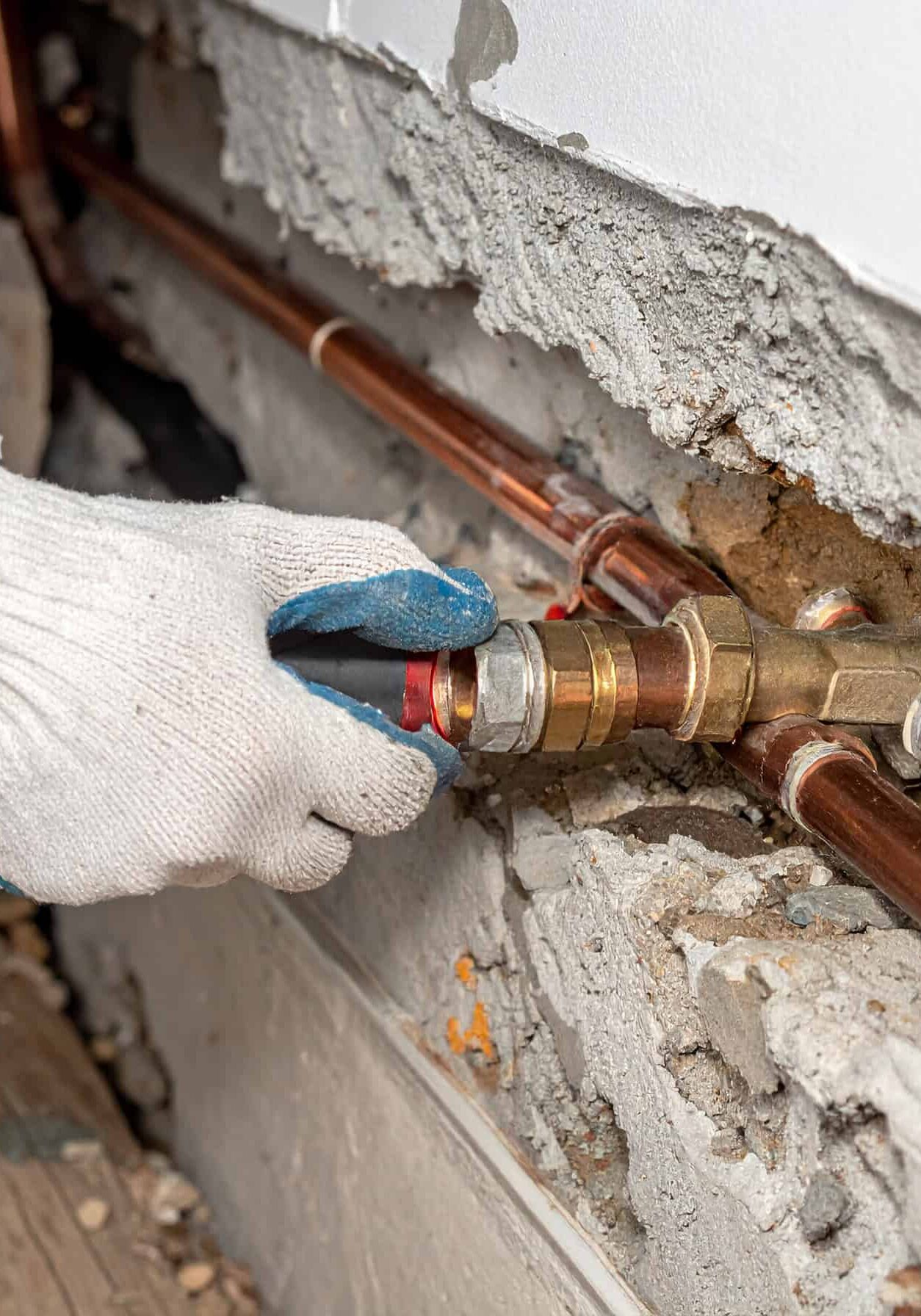
A slab leak occurs when a water pipe beneath your home’s concrete foundation begins to leak. These leaks are often caused by corrosion, shifting soil, or high water pressure, and they can lead to extensive structural damage if not repaired quickly.
Types of Slab Leaks:
Water Supply Line Leaks: Caused by damaged pipes carrying water into your home.
Sewer Line Leaks: Occur in the pipes that carry wastewater away from your property.
Slab leaks can develop in homes of any age, making early detection and repair crucial.
Signs You May Have a Slab Leak
How can you tell if there’s a leak beneath your home’s foundation? Here are the most common warning signs:
Unexplained Spike in Water Bills: A sudden increase in your water bill often indicates a hidden water leak.
Warm Spots on the Floor: If you feel unusual warmth under your flooring, it could mean a hot water pipe is leaking.
Water Pooling Around Your Foundation: Visible water or damp areas near the exterior of your home are signs of a slab leak.
Mold and Mildew Growth: Excess moisture from a leak can lead to mold or mildew, which often comes with a musty smell.
Cracks in Walls or Floors: Slab leaks can cause your home’s foundation to shift, resulting in cracks in your walls or floors.
Low Water Pressure: A drop in water pressure may indicate a leak in your plumbing system.

Common Causes of Slab Leaks
Understanding the root causes of slab leaks can help you take preventative measures:
Corrosion: Pipes can corrode over time due to chemical reactions with the soil or water.
High Water Pressure: Excessive water pressure can strain pipes, leading to cracks or leaks.
Shifting Soil: Changes in the ground beneath your home, often due to weather or construction, can damage pipes.
Aging Pipes: Older homes with deteriorating plumbing are more prone to slab leaks.
Improper Installation: Faulty pipe installation during construction can lead to early wear and leaks.
Why Slab Leaks Are Dangerous
Ignoring a slab leak can lead to costly repairs and damage. Here’s why addressing the issue quickly is essential:
Structural Damage: Water can weaken your foundation, leading to cracks, sinking, or shifting.
Health Hazards: Excess moisture promotes mold and mildew growth, which can affect indoor air quality.
Higher Utility Bills: A continuous leak wastes water, significantly increasing your monthly bills.
Property Damage: Water damage can ruin flooring, walls, and personal belongings, adding to repair costs.
How Professionals Detect and Repair Slab Leaks
When you call LaCassa Plumbing for slab leak repair, here’s what you can expect:
1. Leak Detection
We use advanced tools to locate the leak without invasive digging:
Acoustic Listening Devices: Detect the sound of water escaping pipes.
Thermal Imaging Cameras: Identify temperature changes caused by leaking water.
Pressure Testing: Pinpoint leaks by monitoring water pressure levels.
2. Repair Options
Once the leak is located, our team will recommend the best repair solution:
Epoxy Pipe Coating: A non-invasive method to seal small cracks or leaks.
Spot Repairs: Fixing the exact location of the leak by accessing the pipe directly.
Rerouting Pipes: Rerouting plumbing to avoid future leaks if multiple pipes are damaged.

What to Expect When You Work With Us
When you work with our team of plumbing experts you can expect to be treated just like a member of the family each and every time. Our slogan is ‘Overflowing with Exceptional Service’ and that includes both our plumbing services and our customer service. Here’s some of what you get when you work with us:

Courteous plumbers that were masks and booties into your home

A+ rating with the Better Business Bureau

Upfront pricing with no hidden fees on your bill

Superior brand names such as Ion Metropolitan, Bradford White and Navien

FAQS About Slab Leak Repair
For all your slab leak concerns, LaCassa Plumbing is here to help with expert solutions and prompt service. Contact us today to schedule a professional inspection or repair!